- 4
- 3
- 3
- 1
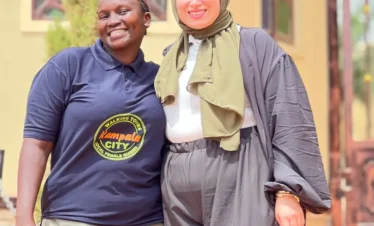
The day begins just after sunrise in Kampala, when the air is still cool and the city hasn’t fully slipped into its usual rhythm of traffic and motion. You meet your guide on one of the hills, and before anything else, they point out how Kampala spreads in every direction—green, busy, and layered with history. “This city,” they tell you, “is not just buildings—it’s stories.”
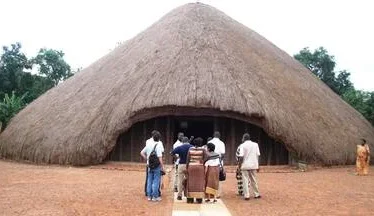
Your first stop is Kasubi Tombs. From the outside, it looks modest compared to modern structures, but once inside, the atmosphere shifts. The scent of dry grass and earth fills the air, and the silence feels intentional, almost sacred. Your guide lowers their voice as they explain that this is where Buganda kings are buried, and that every beam, every woven reed, carries meaning. You’re not just seeing a site—you’re stepping into a living tradition where the past is still respected daily.
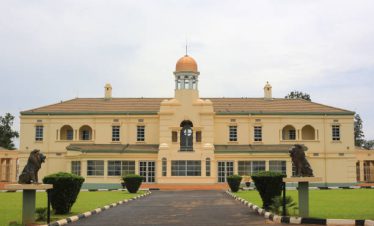
From there, the journey moves toward the political and royal heart of Buganda at Kabaka’s Palace. The grounds are wide and quiet, but the stories here are heavier. You hear about kings, colonial encounters, and moments of resistance that shaped Uganda’s identity. There’s a stillness to the place, but it feels like the kind that follows history, not emptiness.
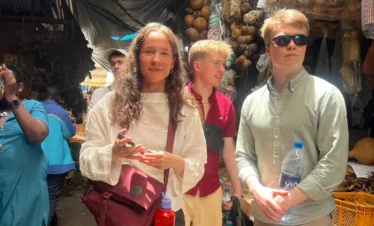
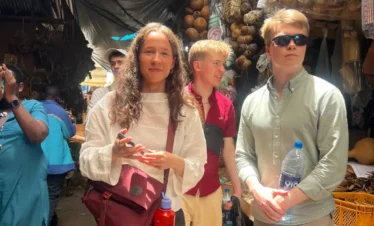
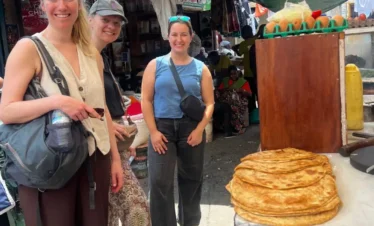
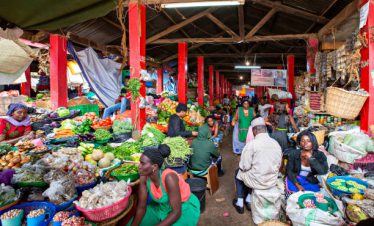
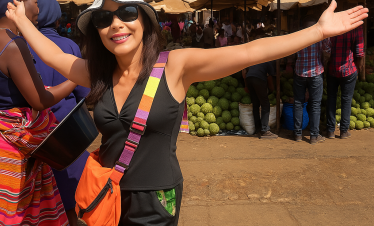
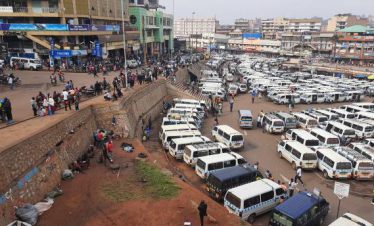
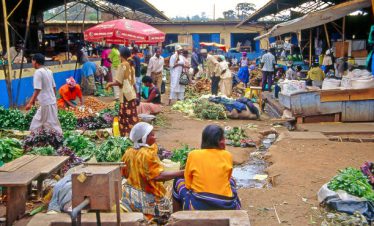
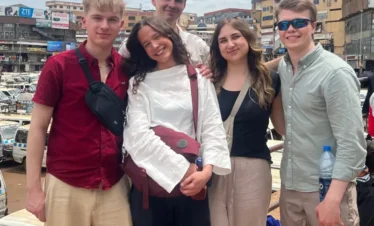
By mid-morning, the tone shifts as you enter the vibrant chaos of Owino Market. The calm gives way to energy—voices calling out prices, fabrics in every color imaginable, the smell of street food mixing with dust and movement. Your guide navigates effortlessly, greeting vendors, explaining how bargaining works, pointing out items you’d otherwise miss. Here, culture isn’t displayed—it’s lived. You see how people dress, trade, and interact. It’s raw, real, and alive.
As the sun climbs higher, you pause for food. It’s not just a meal—it’s part of the story. You sit down to dishes like matoke and groundnut stew, maybe some grilled meat, served in a simple setting where conversation flows easily. Someone explains how the food is prepared, why certain dishes are reserved for special occasions, and how meals bring people together. You begin to understand that culture here is as much about taste and sharing as it is about history.
In the afternoon, you arrive at Ndere Cultural Centre, and the mood lifts again. Drums begin to beat, low at first, then faster, louder, until they seem to echo in your chest. Dancers step out in traditional attire, each movement telling a story from a different region of Uganda. The guide explains that every rhythm, every gesture has meaning—celebration, courtship, war, harvest. You don’t just watch; you feel it. Sometimes visitors are even pulled in to join, awkward at first, then laughing as they try to match the steps.
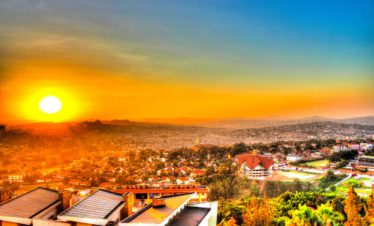
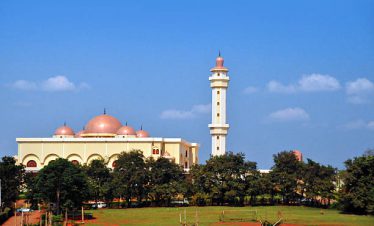
Later, you visit one of Kampala’s hilltop landmarks, like Gaddafi National Mosque. Climbing up, the city slowly unfolds beneath you—roads weaving through neighborhoods, the distant hum of life continuing below. From the top, Kampala looks different: calmer, almost unified. Your guide uses this moment to tie everything together—the kingdoms, the religions, the colonial past, and the modern city all coexisting in one place.
As the day winds down, you realize the tour wasn’t just about places. It was about connections—between past and present, tradition and change, people and their stories. Kampala reveals itself not in a single moment, but gradually, through voices, tastes, rhythms, and lived experiences.
By the end, you don’t feel like you’ve just visited a city. You feel like you’ve been introduced to it